Wildlife Viewing in Alaska
Alaska is one of the world's great wildlife destinations, but you don't have to begin with a bush plane or a remote wilderness lodge.
For many travelers, wildlife viewing can begin almost immediately after arriving in Anchorage. Moose live within Alaska's largest city, migratory birds gather along its wetlands and coastline, and the mountains and waters surrounding Anchorage provide opportunities to look for everything from bears and Dall sheep to beluga whales.
This guide starts in Anchorage and works outward, following the same routes travelers actually use to explore Alaska. From Anchorage, you can drive south along Turnagain Arm toward the Alaska Wildlife Conservation Center and the Kenai Peninsula, travel north toward the Mat-Su Valley and Denali, or continue farther into Alaska's coastal, Interior and roadless wildlife regions.
Wild animals move freely and sightings are never guaranteed. The purpose of this guide is to show you where Alaska's wildlife habitats and viewing opportunities are, what animals you may encounter, how to reach those places and how each area can fit into a larger Alaska trip.
Best Wildlife Viewing Around Anchorage
Anchorage is much more than a place to land before traveling somewhere else.
The city sits between Cook Inlet and the Chugach Mountains, putting wetlands, coastal habitat, forests and mountains within a relatively small area. Moose are a regular part of life around Anchorage, while birds, bears and other wildlife use surrounding natural areas. Turnagain Arm also creates the unusual possibility of looking for marine mammals while traveling by road.
Potter Marsh — Best Easy Wildlife Stop in Anchorage
Best for: Birds, moose, accessible wildlife viewing and families.
Wildlife: Waterfowl, shorebirds, bald eagles, moose and muskrats are among animals visitors may encounter. Seasonal spawning salmon can also be observed.
Experience: An elevated boardwalk provides access to wetland habitat with the mountains and Turnagain Arm forming the larger landscape.
Access: Approximately 15 minutes south of downtown Anchorage along the Seward Highway, with roughly half a mile of accessible boardwalk.
Why it's worth it: Potter Marsh provides legitimate wildlife habitat without requiring an entire day or a long trip from Anchorage.
Know before you go: Wildlife varies by season and time of day. Do not disturb nesting birds or spawning salmon, and remain in established viewing areas.
Anchorage Coastal Wildlife Refuge — Best Urban Coastal Habitat
Best for: Birding, photography and undeveloped coastal habitat.
Wildlife: Waterfowl, shorebirds, terns, bald eagles, moose and muskrats are among the animals visitors may encounter. Bear activity can occasionally occur within portions of the refuge.
Experience: The refuge protects approximately 16 miles of coastline between Point Woronzof and Potter Creek. Potter Marsh is its best-known viewing area, but the larger refuge demonstrates how closely Anchorage is connected to Cook Inlet's coastal ecosystem.
Access: Different portions can be reached from parks and established access areas along Anchorage's western and southern coastline.
Why it's worth it: The refuge makes it clear that Alaska wildlife viewing can begin before you ever leave Anchorage.
Kincaid Park — Best Anchorage Moose & Forest Wildlife Opportunity
Best for: Moose, forest wildlife and walking.
Wildlife: Moose, snowshoe hares, bald eagles and other forest wildlife may be encountered. Black bears are occasionally present.
Experience: Forest trails and coastal bluffs provide substantial natural habitat despite the park's location within Anchorage.
Access: Road-accessible on the western side of Anchorage with an extensive trail system.
Why it's worth it: Kincaid makes it possible to combine a normal Anchorage day with an opportunity to encounter genuinely wild Alaska animals.
Know before you go: Moose are wild and can be dangerous, particularly cows with calves. Never approach wildlife for a photograph.
Chugach State Park & Eagle River — Best Mountain Wildlife Near Anchorage
Best for: Mountain scenery and wildlife habitat close to Anchorage.
Wildlife: Moose, bears, Dall sheep, eagles and smaller mammals inhabit the broader Chugach environment, although sightings depend on location, season and luck.
Experience: Trails and viewing areas around Chugach State Park and Eagle River provide a rapid transition from Alaska's largest city into genuine mountain wilderness habitat.
Access: Numerous road-accessible trailheads and recreation areas can be reached from Anchorage and Eagle River.
Why it's worth it: The Chugach demonstrates how quickly travelers can move from Anchorage into Alaska's mountain wildlife habitat.
Leaving Anchorage: Choose Your Direction
Anchorage is the natural starting point for many Alaska wildlife trips, but the wildlife opportunities expand quickly once you leave the city.
Drive south on the Seward Highway and Turnagain Arm creates opportunities to look for beluga whales, Dall sheep, mountain goats, bald eagles and other wildlife before continuing toward Girdwood, Portage, the Alaska Wildlife Conservation Center and the Kenai Peninsula.
Drive north and the route leads through Palmer, the Mat-Su Valley and Talkeetna toward Denali and Interior Alaska.
Travelers willing to leave the road system can continue much farther by boat or aircraft into places such as Katmai, Lake Clark, Kodiak, Prince William Sound, Southeast Alaska and the Arctic.
This guide follows those routes outward from Anchorage, beginning with the drive south.
Drive South: Wildlife Along Turnagain Arm
The Seward Highway follows the edge of Turnagain Arm between steep Chugach Mountains and tidal water, turning an ordinary drive south from Anchorage into a wildlife-viewing route.
Beluga whales may appear offshore, while Dall sheep and mountain goats inhabit the surrounding mountains. Bald eagles and other birds are common throughout the broader corridor, and bears occasionally use surrounding habitat.
These are genuinely wild animals moving through a large natural environment, so sightings should always be treated as opportunities rather than guarantees.
Beluga Point — Best Quick Whale-Watching Stop From the Road
Best for: Beluga whales, scenery and an easy wildlife stop while leaving Anchorage.
Wildlife: Cook Inlet beluga whales may sometimes be observed moving through Turnagain Arm.
Experience: Beluga Point provides the unusual possibility of looking for whales while standing beside a highway rather than boarding a boat.
Access: Located at approximately Mile 110.5 of the Seward Highway, about 6.5 miles south of the Anchorage city limits.
Why it's worth it: Few Alaska road trips provide this kind of direct connection between highway travel and marine mammal habitat.
Know before you go: Belugas are seasonal and sightings are never guaranteed. Remain in established viewing areas and never walk onto Turnagain Arm's dangerous mudflats.
Bird Point & Turnagain Arm — Best for Land and Marine Habitat Together
Best for: Beluga whales, mountain wildlife, bald eagles and Turnagain Arm scenery.
Wildlife: Belugas may pass through the Arm, while bald eagles and other birds use the area. Mountain goats, black bears and other wildlife may occasionally be seen in the surrounding mountains, and harbor seals can sometimes occur in the broader Turnagain Arm environment.
Experience: Bird Point provides a wider perspective across Turnagain Arm and the surrounding mountains, making it possible to scan both marine and terrestrial habitat from the same general area.
Access: Located around Mile 96.5 of the Seward Highway between Anchorage and Girdwood.
Why it's worth it: It is another easy opportunity to stop, scan the landscape and let the wildlife determine what you see.
Know before you go: Turnagain Arm has extreme tides and hazardous mudflats. Remain in established viewing areas.
Girdwood & Portage Valley — Transition Into the Kenai Peninsula
Best for: Forest and mountain habitat, birds and combining wildlife opportunities with the drive south.
Wildlife: The surrounding forests, wetlands and mountains support a variety of Southcentral Alaska wildlife, although individual sightings are unpredictable.
Experience: Girdwood and Portage mark the transition from Turnagain Arm toward the mountains and waterways leading into the Kenai Peninsula.
Access: Both areas are road-accessible from the Seward Highway south of Anchorage.
Why it's worth it: This part of the drive connects Anchorage wildlife viewing naturally with one of the most useful wildlife stops in Southcentral Alaska: the Alaska Wildlife Conservation Center.
Alaska Wildlife Conservation Center — Best Reliable Introduction to Alaska Wildlife
Best for: Families, first-time Alaska visitors, wildlife education and travelers who want an opportunity to observe several Alaska species in one location.
Wildlife: Animals cared for at the center include brown and black bears, moose, muskox, wolves, wood bison, lynx, wolverine, porcupines, reindeer, elk, deer, coyotes, eagles and other Alaska wildlife.
Experience: The Alaska Wildlife Conservation Center is a nonprofit wildlife sanctuary focused on conservation, education, research and animal care. Animals live within large enclosures spread across more than 200 acres, and visitors can travel an approximately 1.5-mile loop by foot, bicycle or vehicle.
Access: Located in Portage Valley at approximately Mile 79 of the Seward Highway, roughly 47 miles south of Anchorage.
Why it's worth it: AWCC provides travelers with an educational introduction to Alaska animals while sitting directly along the route between Anchorage and the Kenai Peninsula.
Know before you go: AWCC is a wildlife sanctuary. Animals observed here are under human care and should not be confused with encounters with free-ranging wild animals elsewhere in Alaska.
Continue South: Wildlife on the Kenai Peninsula
Beyond Turnagain Arm and Portage, the Seward Highway enters the Kenai Peninsula, where mountains, salmon rivers, wetlands, forests and the waters of Cook Inlet, Kachemak Bay, Resurrection Bay and the Gulf of Alaska create an enormous range of wildlife habitat.
The peninsula is particularly useful for travelers because very different wildlife experiences can be reached from the same road system.
Cooper Landing & Upper Kenai — Best for Mountain and River Wildlife
Best for: Dall sheep, mountain goats, bald eagles and wildlife viewing combined with the Kenai River landscape.
Wildlife: Dall sheep inhabit alpine terrain north of Cooper Landing, while mountain goats use steep mountains to the south. Bald eagles, waterfowl and other wildlife also use the broader river environment.
Experience: Cooper Landing sits within a dramatic mountain corridor where travelers can scan high slopes for wildlife while exploring the Kenai River region.
Access: Road-accessible along the Sterling Highway.
Why it's worth it: Cooper Landing combines one of Alaska's most famous river landscapes with legitimate mountain wildlife habitat.
Know before you go: Sheep and goats may be extremely distant. Binoculars or a spotting scope can transform the experience.
Kenai, Soldotna & Kenai River Lowlands — Best for Moose, Birds & River Habitat
Best for: Moose, birds, salmon-connected wildlife habitat and travelers exploring the central Kenai Peninsula.
Wildlife: Moose are widespread in the Kenai River lowlands, while bald eagles, waterfowl and other birds use the river, wetlands and surrounding habitat. Caribou also occur on portions of the Kenai Peninsula.
Experience: The Kenai and Soldotna area provides a different wildlife landscape from the mountains around Cooper Landing. Here the Kenai River moves through broad lowlands, wetlands and forest before reaching Cook Inlet.
Access: Kenai and Soldotna are connected to the rest of the peninsula by the Sterling Highway, with numerous roads and public access areas throughout the region.
Why it's worth it: Travelers can experience productive river and wetland habitat while already moving through one of the Kenai Peninsula's main population centers.
Know before you go: Wildlife encounters are opportunistic. Do not approach moose or stop unsafely along roads because an animal appears nearby.
Homer & Kachemak Bay — Best for Coastal & Marine Wildlife
Best for: Sea otters, bald eagles, seabirds and marine wildlife.
Wildlife: Harbor seals, sea otters, Steller sea lions, bald eagles and seabirds inhabit the broader Kachemak Bay environment. Boat trips farther into the bay can also provide opportunities to look for whales, porpoises and puffins.
Experience: Homer combines a road-accessible Alaska community with immediate access to a rich coastal ecosystem. The Homer Spit extends directly into Kachemak Bay, while boats provide access to more remote shorelines, islands and marine habitat.
Access: Homer is the southern end of the Sterling Highway. Marine trips depart from the Homer harbor.
Why it's worth it: It is one of the easiest places on the Kenai Peninsula to transition directly from a road trip into a marine wildlife experience.
Know before you go: Marine wildlife moves constantly and particular species are never guaranteed. Weather and sea conditions can also affect boat trips.
Seward & Resurrection Bay — Best Gateway to Gulf of Alaska Wildlife
Best for: Sea otters, harbor seals, Steller sea lions, whales, puffins and other marine wildlife.
Wildlife: Sea otters, seals, sea lions and numerous marine birds use Resurrection Bay. Humpback whales, orcas, porpoises and other marine mammals may also be encountered in the broader region.
Experience: Seward sits at the head of Resurrection Bay and provides one of Alaska's most convenient transitions from highway and rail travel to marine wildlife viewing.
Access: Seward is reached by the Seward Highway from Anchorage and is also connected to Anchorage by the Alaska Railroad. Numerous boat trips depart from Seward's harbor.
Why it's worth it: Seward provides access to both Resurrection Bay and the much larger marine environment surrounding Kenai Fjords National Park.
Know before you go: A harbor or shoreline sighting is possible, but getting onto the water provides access to substantially more marine habitat.
Kenai Fjords National Park — Best Full Marine Wildlife Experience From Seward
Best for: Whales, puffins, sea lions, harbor seals, sea otters, porpoises and seabirds.
Wildlife: The park's marine environment supports sea otters, harbor seals, Steller sea lions, Dall and harbor porpoises, orcas and several whale species. Both horned and tufted puffins nest within the broader Kenai Fjords region.
Experience: Boat travel from Seward leads through Resurrection Bay and into a landscape of fjords, glaciers, rocky islands and open Gulf of Alaska water. Wildlife viewing occurs as part of the larger marine ecosystem rather than at a single attraction.
Access: Most visitors experience the coastal portion of Kenai Fjords National Park by boat from Seward.
Why it's worth it: It combines some of the Kenai Peninsula's strongest marine wildlife opportunities with one of Alaska's most dramatic coastal landscapes.
Know before you go: Wildlife varies by day, route, season, weather and ocean conditions. No responsible operator can guarantee every species.
Remote North Gulf Coast — Best Beyond the Day-Cruise Route
East of Seward and Kenai Fjords, Alaska's North Gulf Coast becomes increasingly roadless.
Mountains descend directly toward the ocean, protected bays interrupt long stretches of exposed coastline, and transportation shifts from highways toward boats and aircraft.
Wildlife: Sea otters, harbor seals, Steller sea lions, whales, bald eagles and seabirds inhabit the broader coastal environment. Bears and mountain goats also occur in suitable terrestrial habitat.
Experience: This region is less about reaching a single wildlife attraction and more about entering a remote coastal ecosystem where marine and terrestrial wilderness meet.
Access: There is no continuous road along this coast. Access depends on destination and may involve aircraft or boats from the Seward region.
Why it's worth it: Travelers can move beyond the established day-cruise corridor into a much less developed section of Alaska's Gulf Coast.
Johnstone Bay — Remote Gulf Coast Wildlife
Best for: Remote coastal wilderness, marine wildlife and travelers interested in isolation as much as individual species.
Wildlife: Sea otters, harbor seals, Steller sea lions, whales, bald eagles and seabirds may occur within the broader coastal environment. Bears and mountain goats also inhabit suitable terrain in the region.
Experience: Johnstone Bay is part of the roadless Gulf Coast east of Seward, where mountains, protected water and the Gulf of Alaska create a remote marine and terrestrial environment.
Access: There is no road to Johnstone Bay. Access is by aircraft or boat from the Seward region depending on the operator, destination and weather.
Why it's worth it: Johnstone Bay illustrates the next geographic step beyond Seward and Kenai Fjords: a roadless coastal Alaska experience where remoteness itself becomes part of the trip.
Know before you go: Wildlife is never guaranteed, and transportation in remote coastal Alaska is highly dependent on weather and operating conditions.
Best Wildlife Viewing in Prince William Sound
Prince William Sound adds another major marine wildlife region to an Alaska trip.
Surrounded by mountains, glaciers, islands and protected waterways, the Sound provides habitat for sea otters, harbor seals, Steller sea lions, whales, bald eagles, seabirds and other coastal wildlife. Bears and mountain goats also inhabit suitable terrestrial habitat around the region.
Whittier provides the easiest connection from Anchorage, while Valdez can be reached by road from Interior Alaska and Cordova provides access to the enormous wetlands of the Copper River Delta.
Whittier — Best Prince William Sound Gateway From Anchorage
Best for: Sea otters, harbor seals, marine birds and boat-based wildlife viewing.
Wildlife: Sea otters and harbor seals can occur around Whittier and nearby waters, while bald eagles, seabirds and other marine wildlife use the broader Prince William Sound environment. Whales and Steller sea lions may be encountered farther into the Sound.
Experience: Whittier sits at the head of Passage Canal and provides direct access to Prince William Sound. The town itself is small, but the surrounding waterways open into a much larger network of islands, fjords, glaciers and marine habitat.
Access: Whittier is road-accessible from Anchorage through the Anton Anderson Memorial Tunnel. Boat tours and other marine trips depart from the harbor.
Why it's worth it: Whittier allows travelers based around Anchorage to reach a major marine wildlife environment without first traveling all the way to Seward or Homer.
Know before you go: Marine conditions and weather influence what areas boats can reach. Wildlife sightings vary by route, season and conditions.
Valdez — Best Road-Accessible Prince William Sound Wildlife Base
Best for: Sea otters, harbor seals, Steller sea lions, bald eagles, bears and coastal wildlife.
Wildlife: Sea otters, harbor seals, sea lions and numerous birds use the Valdez marine environment. Bears also occur in the surrounding region, particularly where natural food sources concentrate them.
Experience: Valdez combines a dramatic mountain setting with road access to the northeastern side of Prince William Sound. The harbor, surrounding coastline and nearby waterways provide opportunities to observe both marine and terrestrial wildlife.
Access: Valdez is connected to Interior and Southcentral Alaska by the Richardson Highway. Marine trips depart from the Valdez harbor.
Why it's worth it: Travelers can reach a substantial Prince William Sound wildlife destination entirely by road while still having access to boat-based exploration.
Know before you go: Bears attracted to salmon and other natural food sources still require substantial space. Never approach or position yourself between a bear and its travel route.
Cordova & Copper River Delta — Best for Birds and Wetland Wildlife
Best for: Migratory birds, shorebirds, waterfowl, bald eagles and expansive wetland habitat.
Wildlife: The Copper River Delta is particularly important for migratory birds, including enormous seasonal movements of shorebirds and waterfowl. Bald eagles and other wildlife use the region, while sea otters, harbor seals and additional marine wildlife inhabit surrounding coastal waters.
Experience: Cordova provides access to a very different side of Prince William Sound. Instead of concentrating primarily on deep fjords and glaciers, wildlife viewing here extends into the immense wetlands and river systems of the Copper River Delta.
Access: Cordova is not connected to Alaska's main highway system. Travelers generally arrive by air or marine transportation and explore local roads, waterways and surrounding habitat from the community.
Why it's worth it: The approximately 700,000-acre Copper River Delta creates one of Alaska's most significant wetland landscapes and makes Cordova particularly valuable for travelers interested in birds and ecosystems.
Know before you go: Bird numbers and species change dramatically with migration timing. A quiet-looking wetland during one period can become extraordinarily active during another.
Choosing a Prince William Sound Wildlife Base
Choose Whittier if you are starting in Anchorage and want the most direct road connection into Prince William Sound.
Choose Valdez if you are traveling Alaska's road system and want to combine a substantial coastal destination with marine wildlife opportunities.
Choose Cordova if birds, wetlands and the Copper River Delta are major priorities and you are comfortable reaching a community outside the main highway system.
None is automatically better than the others. They provide access to different parts of the same enormous marine and coastal ecosystem.
Drive North: Wildlife in the Mat-Su Valley
Returning to Anchorage and driving north opens another major Alaska wildlife route.
The landscape gradually changes from Cook Inlet wetlands and lowland forest into the broad Mat-Su Valley, alpine terrain around Hatcher Pass, the Susitna Valley and eventually the Alaska Range.
Wildlife viewing here is less about one single attraction and more about moving through a sequence of habitats where moose, birds, bears and mountain wildlife may appear along the way.
Palmer Hay Flats — Best Wildlife Stop North of Anchorage
Best for: Moose, waterfowl, migratory birds and wetland wildlife.
Wildlife: Moose use the wetlands and surrounding habitat, while ducks, geese, swans, sandhill cranes, shorebirds and other migratory birds can gather seasonally in large numbers. Muskrats and other small wetland animals also occur in the area.
Experience: Palmer Hay Flats protects a vast wetland landscape near the head of Knik Arm. The open habitat makes it possible to scan broad areas while remaining close to Anchorage and Palmer.
Access: Road-accessible from the Glenn Highway corridor north of Anchorage.
Why it's worth it: The refuge provides one of the easiest opportunities north of Anchorage to combine moose habitat with significant seasonal bird activity.
Know before you go: Bird numbers change dramatically by season. Moose may also be present near roads and trails, so give them substantial space.
Mat-Su Valley — Best for Opportunistic Roadside Wildlife
Best for: Moose, birds and travelers already exploring Palmer, Wasilla and the surrounding valley.
Wildlife: Moose are widespread throughout the broader Mat-Su region. Bald eagles, waterfowl and other birds use rivers, lakes and wetlands, while bears and other mammals inhabit surrounding forest and mountain habitat.
Experience: The Mat-Su Valley is not a single wildlife destination. It is a large landscape where wildlife encounters can occur while travelers move between communities, rivers, lakes and recreation areas.
Access: The Glenn and Parks highways provide the main road connections through the region.
Why it's worth it: Wildlife viewing can become part of a normal Alaska road trip rather than requiring a dedicated excursion.
Know before you go: Do not stop in unsafe locations when wildlife appears beside the highway. Use established pullouts and parking areas.
Hatcher Pass — Best for Alpine Habitat Near the Road System
Best for: Alpine scenery, smaller wildlife and travelers interested in mountain habitat.
Wildlife: Ground squirrels, marmots, birds and other alpine wildlife may be encountered, while larger mammals also use the surrounding mountains.
Experience: Hatcher Pass brings travelers quickly into open alpine terrain, creating a very different wildlife environment from the wetlands and forests below.
Access: Road-accessible from the Palmer and Wasilla area, although road conditions and seasonal access vary.
Why it's worth it: It provides an easy way to experience high-country habitat without committing to a remote expedition.
Know before you go: Hatcher Pass should not be treated as a guaranteed large-mammal destination. The alpine landscape itself is the main reason to go, with wildlife as an additional opportunity.
Talkeetna & the Susitna Valley — Transition Toward Denali
Best for: Moose, bears, bald eagles, river habitat and travelers continuing north toward Denali.
Wildlife: Moose are common in suitable lowland habitat, while bears, bald eagles, waterfowl and other wildlife use the broader Susitna Valley ecosystem.
Experience: Talkeetna sits near the meeting of major rivers and marks a transition between Southcentral Alaska and the vast landscapes leading toward the Alaska Range.
Access: Talkeetna is reached from the Parks Highway by a paved spur road and is also served by the Alaska Railroad.
Why it's worth it: Talkeetna is a useful geographic bridge between the Mat-Su Valley and Denali, while also providing access to large areas beyond the road system.
Know before you go: Wildlife sightings around Talkeetna are generally opportunistic rather than predictable. Remote excursions by aircraft or boat may reach very different habitat from what is visible around town.
Denali Region — Alaska's Classic Large-Mammal Landscape
Denali is one of Alaska's most important road-accessible wildlife regions.
The park and surrounding Alaska Range support moose, caribou, Dall sheep, grizzly bears, wolves and many smaller species across forest, tundra, river and mountain habitats.
Denali is especially valuable because large areas of open country allow travelers to scan enormous landscapes for wildlife rather than relying only on close encounters.
Denali National Park — Best Overall Road-System Large-Mammal Destination
Best for: Moose, caribou, Dall sheep, grizzly bears, wolves and broad tundra wildlife viewing.
Wildlife: Denali supports dozens of mammal species, including the five animals often grouped as the park's “Big Five”: moose, caribou, Dall sheep, grizzly bears and wolves.
Experience: Wildlife is spread across an immense landscape. Animals may be close to the road, but they are often far away on tundra, river bars or mountain slopes.
Access: Denali National Park is reached from the Parks Highway. Access farther along the park road depends on current park transportation operations and seasonal conditions.
Why it's worth it: Few road-accessible places in Alaska provide the same combination of open habitat, large mammals and opportunities to observe animals across a vast natural landscape.
Know before you go: Binoculars are extremely useful. The goal is not necessarily to get close to wildlife, but to become better at finding animals within the landscape.
Moose — Look Near the Forested Entrance Country
Moose are often associated with the lower, more forested portions of Denali. Travelers may encounter them in willow habitat, wetlands and other lowland areas, including portions of the park closer to the entrance. Never approach a moose, especially a cow with a calf.
Caribou — Scan the Open Tundra
Caribou are better suited to open tundra and broad upland landscapes. Their movements vary throughout the season, so a group visible in one area may be completely absent later. Scan far beyond the road and look for movement against open terrain.
Grizzly Bears — Watch Open Country and River Corridors
Grizzly bears may be seen crossing tundra, feeding in open habitat or moving along river systems. Because the landscape is so large, many excellent bear sightings occur at considerable distance. A distant bear behaving naturally is a better wildlife encounter than a close bear reacting to people.
Dall Sheep — Look High
Dall sheep use steep mountain terrain where their white coats can sometimes stand out against dark rock. Travelers often miss them simply because they are looking beside the road instead of high on surrounding slopes. Binoculars or a spotting scope can make an enormous difference.
Wolves — The Most Difficult of Denali's Big Five
Wolves occur in Denali, but they are generally much harder to see than moose, caribou, sheep or bears. They travel over large territories and should never be treated as an expected sighting. Seeing one is a significant wildlife encounter, not something every visitor should assume will happen.
Savage River — Easy Denali Wildlife Country Without a Long Park Trip
Best for: Travelers with limited time, walking and experiencing open Denali habitat without spending an entire day traveling deep into the park.
Wildlife: Dall sheep, caribou, ground squirrels, birds and other wildlife may occur in the broader area, while larger mammals can occasionally pass through.
Experience: Savage River provides accessible tundra and mountain scenery within the Denali road corridor.
Access: Reached from the Denali Park Road, subject to current park access rules and seasonal operations.
Why it's worth it: It gives travelers a useful introduction to Denali habitat even when they are not taking a longer bus trip.
Denali Wildlife Bus Experience
Traveling farther into Denali can increase the amount of habitat you pass through and the amount of time you spend looking for wildlife. More distance and more time can create more opportunities, but they still do not guarantee any particular animal. Current road access and transportation arrangements can change, so travelers should check the park's current operating information when planning.
Wildlife Viewing Ethics in Denali
Denali works because wildlife remains wild. Animals should never be approached, fed or pressured into changing their behavior for photographs. Viewing distances and park rules must always be followed, and travelers should remember that a distant animal moving naturally is exactly what a successful wilderness wildlife encounter should look like.
Beyond the Main Road System: Alaska's Remote Wildlife
Some of Alaska's most famous wildlife destinations cannot be reached by highway.
Aircraft and boats connect travelers with enormous coastal ecosystems, salmon rivers, islands and wilderness areas where wildlife viewing can become the primary purpose of the trip rather than something encountered along the way.
This is particularly true for Alaska's dedicated brown bear destinations.
Katmai National Park — Best Iconic Brown Bear Viewing
Best for: Brown bears, photography and travelers specifically planning an Alaska trip around bear viewing.
Wildlife: Katmai supports one of the world's important concentrations of brown bears, with approximately 2,200 brown bears estimated within the park.
Experience: Bears move throughout Katmai's enormous landscape, but salmon can concentrate them along rivers during particular portions of the summer. This creates some of Alaska's best-known opportunities to observe wild bears feeding and interacting within their natural environment.
Access: Katmai is outside Alaska's highway system. Most visitors arrive by aircraft, with transportation depending on the particular destination within the park.
Why it's worth it: Katmai is one of the clearest examples of a trip where wildlife itself can become the central reason for traveling to a remote part of Alaska.
Know before you go: Katmai is wild bear habitat, not a controlled wildlife attraction. Bears determine where they go and what they do.
Brooks Falls — Alaska's Most Famous Bear-Viewing Location
Best for: Watching brown bears during salmon runs and photographing one of Alaska's most recognizable wildlife environments.
Wildlife: Brown bears gather around the Brooks River when salmon are available.
Experience: Brooks Falls is approximately six feet high, creating an obstacle where migrating salmon can concentrate and bears may position themselves to feed. Viewing platforms allow visitors to observe the river while maintaining structured separation from the bears.
Season: July is particularly well known for bear activity around the falls as salmon move upstream. Bears may also concentrate near the lower river and river mouth later in the season, including September. Wildlife patterns vary, and some periods can have considerably fewer bears around the falls.
Why it's worth it: Brooks Falls combines productive bear habitat with an established viewing system designed around observing genuinely wild animals.
Know before you go: The famous photographs do not mean every visitor will see the same scene. Salmon timing, bear movements and seasonal conditions determine what happens.
Lake Clark National Park — Best Coastal Brown Bear Viewing
Best for: Brown bears, coastal habitat and travelers interested in observing bears feeding in a very different environment from Brooks Falls.
Wildlife: Brown bears use Lake Clark's Cook Inlet coast along with other wildlife occupying the park's coastal, forest and mountain habitats.
Experience: Coastal bears can feed in salt marshes, dig for clams on tidal flats and use salmon streams as seasonal food becomes available. This creates a different style of bear viewing from the concentrated salmon-fishing scenes associated with Brooks Falls.
Access: Lake Clark has no road connection to Alaska's highway system. Wildlife-viewing destinations are generally reached by aircraft.
Why it's worth it: Travelers can observe brown bears as part of a broad coastal ecosystem rather than around one famous waterfall.
Know before you go: Tides, food availability, season and weather influence where bears concentrate.
Chinitna Bay & Silver Salmon Creek
Chinitna Bay and Silver Salmon Creek are two of Lake Clark's best-known coastal bear-viewing areas.
Bears use salt marshes, tidal areas, sedge meadows and salmon habitat depending on the location and season.
These destinations are reached as dedicated wilderness trips rather than casual roadside stops.
Kodiak — Best for Alaska's Kodiak Brown Bears
Best for: Kodiak brown bears, island wilderness and travelers willing to travel beyond the mainland road system.
Wildlife: Kodiak Island is home to the Kodiak brown bear, a distinct subspecies of brown bear found within the Kodiak Archipelago. Bald eagles, marine mammals and numerous other species also inhabit the island and surrounding waters.
Experience: Kodiak combines a substantial Alaska community and limited local road system with an enormous roadless island interior.
Access: Kodiak can be reached by air or ferry, while many dedicated bear-viewing locations require additional transportation by aircraft or boat.
Why it's worth it: Kodiak provides an entire island ecosystem associated with one of Alaska's most recognizable animals.
Know before you go: Simply driving Kodiak's road system should not be treated as a reliable bear-viewing strategy. Travelers whose main goal is seeing bears should investigate dedicated viewing opportunities.
Frazer Lake — Remote Kodiak Bear Viewing
Best for: Travelers specifically seeking a structured bear-viewing excursion from the Kodiak area.
Wildlife: Brown bears may concentrate around productive salmon habitat when fish are available.
Experience: Frazer Lake is reached as a remote excursion rather than through Kodiak's normal road system, commonly involving aircraft access and additional travel to established viewing areas.
Why it's worth it: It demonstrates the difference between visiting Kodiak generally and intentionally traveling into productive bear habitat.
Kodiak Coast — More Than Bears
Kodiak should not be reduced to a single species.
The island's extensive coastline and surrounding North Pacific waters also support sea otters, harbor seals, Steller sea lions, whales, seabirds and bald eagles.
Travelers combining terrestrial and marine exploration can experience Kodiak as a complete island ecosystem rather than only a bear destination.
Bristol Bay — Wildlife Behind the Salmon
Best for: Brown bears, birds, salmon-driven ecosystems and remote wilderness.
Wildlife: Brown bears, bald eagles and numerous other animals benefit from the enormous seasonal movement of salmon through Bristol Bay watersheds.
Experience: Bristol Bay demonstrates how deeply salmon influence Alaska wildlife. Returning fish move nutrients from the ocean into rivers and terrestrial ecosystems, creating food for predators and scavengers far beyond the fish themselves.
Access: Most of the region lies beyond Alaska's highway system, with communities and wilderness destinations connected primarily by aircraft and boats.
Why it's worth it: Understanding Bristol Bay helps travelers understand why salmon are central not only to Alaska fishing but also to many of the state's wildlife systems.
Alaska Peninsula — Best for Large-Scale Remote Wildlife Habitat
Best for: Brown bears, caribou, birds and travelers seeking extremely remote Alaska.
Wildlife: Brown bears, caribou, moose and more than 200 species of birds occur within the broader Alaska Peninsula environment.
Experience: Long volcanic mountain ranges, wetlands, tundra, salmon rivers and coastlines create an enormous wilderness separating Bristol Bay from the North Pacific.
Access: The region is largely roadless and generally requires aircraft or boat transportation.
Why it's worth it: The Alaska Peninsula provides wildlife habitat on a scale that is difficult to appreciate from Alaska's highway system.
Know before you go: Remote travel requires substantial planning. Weather can alter aircraft and boat schedules, and travelers should build flexibility into their itinerary.
McNeil River — Specialized Managed Brown Bear Viewing
Best for: Experienced wildlife travelers specifically interested in a highly managed brown bear-viewing experience.
Wildlife: Brown bears can gather around productive feeding areas during seasonal salmon activity.
Experience: McNeil River is a specialized wildlife destination where human access is deliberately managed to protect bears and maintain the quality of the viewing environment.
Access: There is no road access. Entry and viewing opportunities are controlled, and travelers must plan specifically for the destination rather than simply arriving independently.
Why it's worth it: McNeil River demonstrates how carefully managed human access can allow exceptional wildlife viewing while keeping protection of the animals and habitat central to the experience.
Why Alaska's Bear-Viewing Destinations Are Different
Alaska's major bear destinations should not be treated as interchangeable.
Katmai and Brooks Falls are strongly associated with salmon and the famous river-and-waterfall bear-viewing environment.
Lake Clark provides coastal bear viewing where salt marshes, tidal flats, clams and salmon can all influence bear behavior.
Kodiak provides access to the Kodiak brown bear and an entire island ecosystem.
The Alaska Peninsula and McNeil River provide specialized remote wilderness and bear-viewing opportunities requiring considerably more planning.
Denali provides an opportunity to see grizzly bears as one part of a much larger tundra wildlife experience rather than as the sole focus of the trip.
The Alaska Wildlife Conservation Center provides a reliable sanctuary setting where bears can be observed under human care, which is fundamentally different from all of these wild bear-viewing destinations.
The right destination therefore depends on what you actually want: a dedicated bear trip, a broader wildlife expedition, an island experience, a road-accessible wilderness journey or an educational sanctuary visit.
Southeast Alaska — Wildlife Where Mountains Meet the Ocean
Southeast Alaska provides a very different wildlife experience from Interior Alaska, Denali or the state's remote western regions.
Here, steep coastal mountains, temperate rainforest, islands, salmon streams and protected marine waterways create habitat for brown bears, black bears, mountain goats, Sitka black-tailed deer, bald eagles, sea otters, harbor seals, Steller sea lions, whales and enormous numbers of marine and migratory birds.
Many Southeast communities are not connected to Alaska's main highway system, so boats and aircraft are an important part of both transportation and wildlife viewing.
Glacier Bay National Park — Best for Marine Wildlife in a Protected Wilderness
Best for: Humpback whales, sea otters, harbor seals, Steller sea lions, seabirds and a broad coastal wilderness experience.
Wildlife: Glacier Bay supports a rich marine ecosystem along with bears, mountain goats, moose and other terrestrial wildlife around its shores and mountains.
Experience: Much of the wildlife viewing takes place from the water. Travelers move through fjords surrounded by mountains and glaciers while scanning shorelines, open water and rocky haulouts for animals.
Access: Glacier Bay is centered around Bartlett Cove near Gustavus. Most visitors reach the area by air or marine transportation rather than Alaska's main road system.
Why it's worth it: Glacier Bay combines marine wildlife, glacial landscapes and protected wilderness in one of Southeast Alaska's largest natural environments.
Know before you go: Wildlife may be spread across enormous distances. Binoculars are valuable, and marine conditions can influence what areas are accessible.
Juneau — Best Southeast Wildlife Base for First-Time Visitors
Best for: Whales, bears, mountain goats, bald eagles, salmon and travelers who want wildlife opportunities close to a major Alaska community.
Wildlife: Humpback whales are strongly associated with the waters around Juneau during the warmer months. Bald eagles are widespread, while black bears, mountain goats and other wildlife inhabit the surrounding mainland.
Experience: Juneau provides an unusual combination of city infrastructure and immediate access to rainforest, mountains, glaciers and productive marine habitat.
Access: Juneau is reached primarily by air or marine transportation and is not connected by road to the rest of Alaska's highway system.
Why it's worth it: Travelers can combine marine wildlife trips, hiking, glacier visits and terrestrial wildlife opportunities without organizing a full remote expedition.
Know before you go: Juneau is excellent wildlife habitat, but individual sightings remain dependent on season, location and animal movement.
Mendenhall Valley & Mendenhall Glacier Area
Best for: Black bears, salmon, birds and easily accessible rainforest habitat.
Wildlife: Black bears use the broader Mendenhall Valley, and seasonal salmon can influence bear activity around streams. Bald eagles and numerous other birds also occur throughout the area.
Experience: Trails, forest, waterways and glacier scenery create one of Juneau's most accessible natural environments.
Know before you go: Bear activity can result in temporary trail or area restrictions. Follow current local guidance and never approach or interfere with feeding bears.
Admiralty Island — Best Southeast Brown Bear Destination
Best for: Brown bears and travelers specifically seeking a dedicated Southeast Alaska bear-viewing experience.
Wildlife: Admiralty Island supports a major population of brown bears along with Sitka black-tailed deer, bald eagles and other rainforest and coastal wildlife.
Experience: The island's salmon streams, tidal areas and temperate rainforest provide extensive brown bear habitat within a largely wild landscape.
Access: Admiralty Island is reached by boat or aircraft from communities such as Juneau and other Southeast locations.
Why it's worth it: Travelers interested primarily in wild brown bears can experience a very different environment from Katmai, Lake Clark or Kodiak.
Know before you go: Admiralty Island is genuine bear country. Access, viewing locations and visitor management vary by destination.
Pack Creek — Managed Brown Bear Viewing on Admiralty Island
Best for: Travelers seeking a structured brown bear-viewing experience within Southeast Alaska.
Wildlife: Brown bears use the Pack Creek area and surrounding coastal habitat.
Experience: Visitor access is managed to reduce disturbance and provide a controlled human presence within active bear habitat.
Access: Pack Creek is remote and requires boat or aircraft transportation. Access requirements and visitor rules should be checked when planning.
Why it's worth it: Pack Creek provides one of Southeast Alaska's best-known opportunities to intentionally travel into productive brown bear habitat.
Sitka — Best for Sea Otters and Open-Coast Wildlife
Best for: Sea otters, whales, Steller sea lions, bald eagles and marine wildlife.
Wildlife: The waters around Sitka support sea otters, harbor seals, Steller sea lions, whales and numerous seabirds. Bald eagles are common throughout the region, while Sitka black-tailed deer, bears and other mammals inhabit terrestrial environments.
Experience: Sitka faces the open Gulf of Alaska while also being surrounded by islands and protected waterways, creating access to several different marine habitats.
Access: Sitka is reached primarily by air or marine transportation.
Why it's worth it: The combination of outer-coast exposure, island habitat and productive marine waters makes Sitka particularly appealing for travelers interested in ocean wildlife.
Know before you go: Marine wildlife distribution changes with food, season and ocean conditions. Boat trips cover more habitat than viewing only from town.
Petersburg, Wrangell & the Stikine Region — Best for Quiet Southeast Wildlife Exploration
Best for: Whales, sea lions, seals, bald eagles, bears and travelers looking beyond Southeast Alaska's busiest visitor centers.
Wildlife: The waterways and islands surrounding Petersburg and Wrangell support marine mammals and seabirds, while bears, deer and other terrestrial wildlife occupy the surrounding mainland and islands.
Experience: This region combines narrow channels, islands, river systems, rainforest and mountain habitat with communities that provide access to a much larger wilderness.
Access: Petersburg and Wrangell are primarily connected to the rest of Southeast Alaska by air and marine transportation.
Why it's worth it: Travelers can experience productive Southeast wildlife habitat without relying exclusively on the region's most heavily visited destinations.
Stikine River — Wildlife Along a Major Southeast River System
The Stikine River creates an enormous corridor connecting coastal Southeast Alaska with the mountains and interior of northwestern British Columbia.
Bears, bald eagles, waterfowl and other wildlife use its river, wetland and forest habitats.
Boat excursions from the Wrangell area can provide access to portions of this much larger ecosystem.
Haines & the Chilkat Valley — Best for Bald Eagles
Best for: Bald eagles, salmon, bears and travelers interested in river and mountain wildlife.
Wildlife: Bald eagles are strongly associated with the Chilkat River system, particularly when salmon provide concentrated food. Bears and other wildlife also use the broader valley.
Experience: Broad river flats, forest and steep mountains create excellent habitat and long sightlines for observing birds and other wildlife.
Access: Haines can be reached by road through Canada as well as by marine and air transportation.
Why it's worth it: The Chilkat Valley is one of Alaska's most recognizable bald eagle landscapes.
Know before you go: The largest concentrations of eagles are seasonal. A famous wildlife destination can look very different at another time of year.
Prince of Wales Island — Best for Black Bears and Rainforest Wildlife
Best for: Black bears, Sitka black-tailed deer, bald eagles and travelers interested in exploring Southeast rainforest by road.
Wildlife: Black bears are widespread on Prince of Wales Island, while deer, bald eagles and numerous birds inhabit its forests, shorelines and waterways.
Experience: Unlike many Southeast destinations, Prince of Wales has an extensive local road network that allows travelers to explore a large island landscape independently.
Access: The island is reached by marine or air transportation, with roads connecting many communities and recreation areas once on the island.
Why it's worth it: It provides an unusual combination of Southeast island wilderness and substantial road access.
Know before you go: Road access does not make wildlife predictable. Bears should never be approached or intentionally attracted to roads or viewing locations.
Ketchikan & Misty Fjords — Best for Accessible Southern Southeast Wildlife
Best for: Bald eagles, black bears, marine mammals, salmon and travelers beginning or ending a Southeast Alaska trip in Ketchikan.
Wildlife: Black bears inhabit the surrounding rainforest, bald eagles are widespread, and seals, whales and other marine mammals use nearby coastal waters.
Experience: Ketchikan provides direct access to rainforest, salmon streams, islands and the much larger wilderness surrounding Misty Fjords.
Access: Ketchikan is reached primarily by air or marine transportation. Misty Fjords and more remote surrounding areas are commonly explored by boat or aircraft.
Why it's worth it: Ketchikan combines substantial visitor infrastructure with immediate access to the rainforest and marine ecosystems characteristic of southern Southeast Alaska.
Know before you go: Wildlife viewing around salmon streams is highly seasonal, and visitors should follow all local bear-safety rules.
Misty Fjords — Wildlife Within a Vast Coastal Landscape
Misty Fjords is best understood as a wilderness landscape rather than a destination promising a particular animal.
Mountain goats, bears, marine mammals and birds inhabit the broader ecosystem, but the scale of the terrain means wildlife may be distant or difficult to locate.
The experience is as much about entering a huge coastal wilderness as it is about checking individual species off a list.
Choosing a Southeast Alaska Wildlife Destination
Choose Glacier Bay if you want a large protected marine wilderness with glaciers and diverse coastal wildlife.
Choose Juneau if you want one of the easiest combinations of whales, rainforest, glaciers and terrestrial wildlife from a major visitor base.
Choose Admiralty Island or Pack Creek if seeing wild Southeast brown bears is a primary goal.
Choose Sitka if sea otters and open-coast marine wildlife are high priorities.
Choose Petersburg or Wrangell if you want quieter access to island, river and marine ecosystems.
Choose Haines and the Chilkat Valley if bald eagles and salmon-driven river habitat are major interests.
Choose Prince of Wales Island if you want black bear habitat and the ability to explore a large Southeast island by road.
Choose Ketchikan and Misty Fjords if you want an accessible introduction to southern Southeast Alaska's rainforest and coastal wilderness.
Southeast Alaska is not one wildlife destination. It is an enormous network of islands, fjords, forests, rivers and marine ecosystems, and each community provides access to a different part of that landscape.
Interior Alaska — Wildlife Across Forest, Rivers & Mountains
Interior Alaska replaces the coastal environment with enormous river valleys, boreal forest, wetlands, tundra and mountain ranges.
Moose are widespread, migratory birds gather around productive wetlands, and bears, wolves, lynx and other mammals inhabit the surrounding wilderness. Farther from the population centers, the landscape transitions toward some of the most remote wildlife habitat in North America.
Fairbanks — Best Interior Alaska Wildlife Base
Best for: Moose, migratory birds, waterfowl and travelers exploring Interior Alaska.
Wildlife: Moose occur throughout the broader Fairbanks region, while wetlands and forest support waterfowl, migratory birds and smaller mammals.
Experience: Fairbanks provides an accessible base for exploring Interior wildlife habitat without immediately requiring remote transportation.
Access: Fairbanks is connected to Anchorage by the Parks Highway and Alaska Railroad and is also a major air transportation hub.
Why it's worth it: Travelers can combine wildlife viewing with a broader Interior Alaska trip while remaining connected to substantial visitor services.
Know before you go: Wildlife around Fairbanks is generally spread across a large landscape rather than concentrated at one attraction.
Creamer's Field — Best Easy Birding Stop in Fairbanks
Best for: Migratory birds, waterfowl and an easy wildlife stop close to town.
Wildlife: Sandhill cranes, geese, ducks and numerous other migratory birds use the refuge seasonally. Moose and smaller mammals may also occur within the broader habitat.
Experience: Fields, wetlands and forest provide a convenient place to walk and watch wildlife without leaving the Fairbanks area.
Why it's worth it: Creamer's Field makes birding and wetland wildlife accessible even for travelers with limited time.
Know before you go: Migration is seasonal, so wildlife numbers can change substantially throughout the year.
Chena River & Chena Hot Springs Road — Interior Wildlife Along the Road System
Best for: Moose, forest habitat and travelers interested in exploring beyond central Fairbanks.
Wildlife: Moose, birds and smaller mammals inhabit the river and forest environment, while bears and other larger wildlife occur throughout the broader region.
Experience: The road follows Interior forest and river habitat away from the city, providing a chance to experience a less developed landscape without leaving the road system.
Know before you go: Wildlife encounters are opportunistic. Drive carefully and watch for moose, particularly when visibility is limited.
Wrangell-St. Elias & the Copper River Region — Wildlife on an Enormous Scale
Best for: Mountain wildlife, bears, moose and travelers interested in one of Alaska's largest wilderness landscapes.
Wildlife: Dall sheep, mountain goats, moose, bears, wolves and numerous smaller species inhabit the mountains, river valleys and forests of the broader region.
Experience: Wrangell-St. Elias is defined by scale. Wildlife occupies an immense landscape of mountains, glaciers, rivers and valleys, and animals may be difficult to locate even when substantial populations are present.
Access: Portions of the region can be reached from Alaska's highway system, while much of the surrounding wilderness requires additional travel by aircraft, trail or river.
Why it's worth it: This is a place to experience wildlife as one part of an enormous wilderness rather than expecting animals to appear at a predictable viewing point.
Know before you go: Bring binoculars and be prepared to scan distant slopes, river corridors and open terrain.
Western Alaska — Wildlife Beyond the Highway System
Western Alaska contains some of the state's largest roadless landscapes.
Tundra, wetlands, coastal lagoons, mountains and river systems support muskox, caribou, bears, migratory birds and other wildlife across a region where aircraft provide the primary connection between communities.
Nome & the Seward Peninsula — Best for Muskox and Western Alaska Birding
Best for: Muskox, birds, tundra wildlife and travelers who want to explore Arctic and sub-Arctic habitat from a local road system.
Wildlife: Muskox are one of the region's most recognizable large mammals. Reindeer and caribou may occur within the broader landscape, while bears, foxes and numerous migratory birds use the peninsula's tundra, wetlands and coast.
Experience: Nome is unusual because several roads extend far into undeveloped tundra despite the community having no highway connection to the rest of Alaska.
Access: Nome is reached by air. Once there, local roads provide access to substantial areas of the Seward Peninsula.
Why it's worth it: The road network allows travelers to explore western Alaska habitat independently in a region that would otherwise require much more complicated transportation.
Know before you go: Distances are large, services become limited outside Nome and road conditions can change.
Muskox — One of the Seward Peninsula's Signature Animals
Muskox are built for northern environments and can sometimes be observed in open tundra habitat around the Seward Peninsula. Their large size and slow appearance should not be mistaken for tameness. Muskox are powerful wild animals and require substantial viewing distance. Binoculars and long camera lenses allow travelers to observe them without pushing closer.
Nome Birding — Migration Across the Western Tundra
The Seward Peninsula is an important destination for birders because western Alaska brings together species associated with tundra, wetlands, coastlines and migration routes extending across the Bering region. Road access from Nome allows birders to explore multiple habitats without requiring aircraft for every excursion. Timing matters enormously because migratory bird activity changes throughout the season.
Northwest Alaska & Kobuk Valley — Caribou Country Beyond the Roads
Best for: Caribou, wilderness and travelers seeking one of Alaska's least road-accessible regions.
Wildlife: Caribou move across the broader northwest Alaska landscape, while bears, wolves, moose and smaller Arctic and sub-Arctic mammals occupy suitable habitat.
Experience: Wildlife viewing here is inseparable from remoteness. Vast tundra, river valleys, mountains and sand dunes exist far beyond Alaska's highway network.
Access: There is no road connection from the rest of Alaska. Aircraft are fundamental to reaching communities and remote destinations.
Why it's worth it: Northwest Alaska demonstrates the true scale of wildlife movement across landscapes that remain largely free of roads.
Brooks Range — Best for Remote Mountain & Tundra Wildlife
Best for: Caribou, Dall sheep, grizzly bears, wolves and travelers seeking serious wilderness.
Wildlife: Caribou migrate through portions of the Brooks Range, while Dall sheep occupy mountain terrain and grizzly bears, wolves, wolverines and smaller mammals inhabit the broader ecosystem.
Experience: The Brooks Range stretches across northern Alaska and contains enormous areas with virtually no permanent road access.
Access: The Dalton Highway reaches portions of the central Brooks Range, while many other areas require aircraft or extended wilderness travel.
Why it's worth it: Few places make it easier to understand how large Alaska remains beyond its cities and highways.
Know before you go: This is not casual roadside wildlife viewing in most areas. Weather, distance, limited services and wilderness travel requirements should be taken seriously.
North Slope & Arctic Coast — Alaska's Most Specialized Wildlife Region
North of the Brooks Range, forests disappear and the landscape opens into Arctic tundra extending toward the Beaufort and Chukchi seas. Caribou, muskox, Arctic foxes, migratory birds and other tundra wildlife inhabit the region, while polar bears and marine mammals are associated with the Arctic coast and sea-ice environment. Wildlife viewing here is highly seasonal and often requires much more planning than wildlife trips in Southcentral or Interior Alaska.
Utqiaġvik — Best for Arctic Coast & Birdlife
Best for: Arctic birds, tundra habitat, marine wildlife opportunities and experiencing Alaska's northern coast.
Wildlife: Large numbers of migratory birds use the surrounding tundra and wetlands during the short Arctic summer. Arctic foxes and other tundra wildlife also occur in the region, while whales and other marine mammals use offshore waters seasonally.
Experience: Utqiaġvik places travelers directly on the Arctic Ocean within a landscape unlike anywhere in southern Alaska.
Access: There is no road connecting Utqiaġvik with Alaska's main highway system. Visitors arrive by air.
Why it's worth it: The destination provides direct access to Arctic coastal habitat rather than simply viewing the Arctic from a highway corridor.
Know before you go: Conditions can be cold, windy and rapidly changing even during periods that are mild elsewhere in Alaska.
Kaktovik — Specialized Polar Bear Viewing
Best for: Travelers specifically planning an Arctic trip around the possibility of seeing polar bears.
Wildlife: Polar bears may occur along the Arctic coast as seasonal conditions, sea ice and food availability influence their movements. Arctic foxes, birds and other tundra wildlife also inhabit the region.
Experience: Kaktovik is a remote Arctic community on Barter Island where specialized wildlife trips may provide opportunities to observe polar bears in the broader coastal environment.
Access: Kaktovik has no road connection to the rest of Alaska and is reached by air.
Why it's worth it: For travelers specifically interested in wild polar bears, Alaska's Arctic coast provides a completely different wildlife experience from every brown and black bear destination farther south.
Know before you go: Polar bears are exceptionally powerful predators. Viewing should occur through responsible local operators and according to current wildlife-management requirements. No sighting should ever be treated as guaranteed.
Arctic Marine Mammals — Wildlife Connected to the Sea Ice
Alaska's Arctic marine environment supports animals that travelers will not normally encounter in Southcentral or Southeast Alaska. Bowhead whales migrate through Arctic waters, while walrus, seals and other marine mammals depend on productive northern seas and, for some species, sea ice. Access to these animals varies enormously by community, season, weather and ice conditions. The Arctic should therefore be chosen because a traveler wants to experience the entire northern environment, not because a single species has been promised.
Choosing an Interior, Western or Arctic Wildlife Destination
Choose Fairbanks if you want an easy Interior base with moose, birding and road-accessible habitat.
Choose Wrangell-St. Elias and the Copper River region if you want enormous mountain wilderness where wildlife is part of a much larger landscape.
Choose Nome and the Seward Peninsula if muskox, birding and western tundra are priorities.
Choose Northwest Alaska or Kobuk Valley if you want remote caribou country beyond the road system.
Choose the Brooks Range if mountain and tundra wildlife combined with serious wilderness are the goal.
Choose Utqiaġvik if you want Arctic coastal habitat, birdlife and the northern ocean environment.
Choose Kaktovik if polar bears are the central wildlife interest and you are prepared for a specialized remote trip.
Alaska's northern and western wildlife regions require more planning, but they also reveal something fundamental about the state: much of Alaska still exists far beyond the highway system.
What Wildlife Can You See in Alaska?
Alaska's size and range of habitats support an extraordinary variety of wildlife, but no single destination contains everything.
The animals you are most likely to encounter depend on where you travel, the habitat you explore, the season and how much time you spend looking.
Use this guide to understand where Alaska's major wildlife species live and what kind of trip gives you a realistic opportunity to look for them.
Moose — Alaska's Most Accessible Large Mammal
Where to look: Anchorage, Southcentral Alaska, the Mat-Su Valley, Kenai Peninsula, Interior Alaska and suitable habitat across much of the state.
Moose use forests, wetlands, willow thickets, river corridors and other areas with productive vegetation.
They can appear surprisingly close to communities and roads, which makes them one of the large Alaska mammals travelers are most likely to encounter without taking a specialized wildlife trip.
Moose are still powerful wild animals. Give them substantial space, particularly cows with calves and bulls during the fall rut.
Brown Bears & Grizzly Bears — Alaska's Most Famous Large Predator
Brown bears occur across large portions of Alaska.
The terms brown bear and grizzly bear describe the same species, although “brown bear” is commonly associated with coastal populations and “grizzly” with bears living farther inland.
Where to look: Katmai, Lake Clark, Kodiak, Admiralty Island, the Alaska Peninsula and other productive coastal environments provide some of Alaska's best-known dedicated brown bear viewing. Denali and other Interior or mountain regions can provide opportunities to see grizzlies within broader wilderness landscapes.
Salmon, coastal sedges, berries, clams and other seasonal food sources can strongly influence where bears concentrate.
A good bear-viewing destination is therefore not simply a place where bears exist. It is a place where habitat, food and responsible access create a realistic opportunity to observe them.
Black Bears — Widespread Forest Wildlife
Where to look: Southcentral Alaska, the Kenai Peninsula, Southeast Alaska and forested regions across much of the state.
Black bears occupy extensive forest habitat and can occur surprisingly close to communities, trails and salmon streams.
Southeast destinations including Juneau, Ketchikan and Prince of Wales Island provide examples of productive black bear habitat, while black bears also occur throughout much of Southcentral Alaska.
Never use food or human activity to intentionally attract a bear for viewing or photography.
Polar Bears — Wildlife of Alaska's Arctic Coast
Where to look: Alaska's Arctic coast, particularly specialized northern destinations such as Kaktovik.
Polar bears are connected to the Arctic marine and sea-ice environment and should not be expected on a typical Alaska road trip.
Seeing them generally requires a dedicated Arctic journey planned around current seasonal conditions and responsible local wildlife-viewing practices.
Polar bears are exceptionally powerful predators and should only be viewed at safe distances under appropriate local guidance.
Caribou — Wildlife Built for Alaska's Open Country
Where to look: Denali, western Alaska, northwest Alaska, the Brooks Range, North Slope and other tundra regions.
Caribou use enormous landscapes and can travel substantial distances as conditions and seasons change.
In Denali, travelers may scan open tundra for individuals or groups. In remote northern and western Alaska, caribou can be part of much larger migratory systems extending across vast areas.
Their mobility means that yesterday's productive viewing location may contain no caribou today.
Dall Sheep — Look to Alaska's Mountains
Where to look: Denali, the Chugach Mountains, Wrangell-St. Elias, the Brooks Range and other suitable mountain ranges.
Dall sheep use steep mountain terrain where elevation can help them avoid predators.
Their white coats can sometimes make them visible against dark rock even when they are far away.
Travelers frequently miss sheep because they search beside the road rather than scanning high mountain slopes with binoculars.
Mountain Goats — Wildlife of Alaska's Steep Coastal Mountains
Where to look: Coastal mountains of Southcentral and Southeast Alaska, including portions of the Kenai Peninsula, Prince William Sound and Southeast.
Mountain goats occupy steep, rugged terrain and can often be extremely distant from observers.
Look carefully at cliffs, mountainsides and rocky alpine habitat rather than expecting close roadside encounters.
Muskox — A Signature Animal of Western & Arctic Alaska
Where to look: The Seward Peninsula and portions of western and Arctic Alaska.
Muskox are adapted to northern tundra environments and are immediately recognizable by their heavy coats and powerful build.
Nome and the Seward Peninsula provide one of the most practical destinations for travelers specifically interested in looking for muskox.
Despite their slow appearance, muskox are powerful wild animals and should be given substantial space.
Wood Bison — A Conservation Story in Alaska
Wood bison are part of Alaska's modern wildlife conservation story following efforts to restore the species to portions of its former range.
Wild wood bison occur in limited areas and are not an animal most Alaska visitors should expect to encounter casually.
Travelers interested in seeing wood bison reliably can also learn about the species at the Alaska Wildlife Conservation Center, where animals live under managed sanctuary care.
Sanctuary viewing should always be distinguished from encountering wildlife living independently in the wild.
Wolves — Widespread but Difficult to See
Where to look: Wolves occur across large portions of Alaska, including Denali and extensive Interior, western and northern wilderness.
Their broad distribution does not make them easy to observe.
Wolves travel over large territories and are among the most difficult of Alaska's famous large mammals for visitors to encounter.
Denali is well known for wolf habitat, but even there a wolf sighting should be considered fortunate rather than expected.
Wolverines — Present, Powerful & Rarely Seen
Wolverines inhabit extensive portions of Alaska's wilderness, including mountain, Interior and northern environments.
They are exceptionally difficult to see because they occur at relatively low densities and travel across large areas.
Travelers should think of a wolverine sighting as an unusual wildlife event rather than something that can normally be planned.
Lynx — Elusive Wildlife of the Boreal Forest
Where to look: Forested Interior and northern regions with suitable habitat.
Canada lynx inhabit Alaska's boreal forests and are closely connected to populations of snowshoe hares, an important prey species.
Lynx can be present in an area without ever being seen by most visitors.
Their secretive behavior makes any wild lynx encounter particularly memorable.
Arctic Fox — Wildlife of the Far North
Where to look: Arctic and coastal tundra regions of northern and western Alaska.
Arctic foxes are adapted to northern environments and occur in habitats very different from the forests occupied by red foxes farther south.
Travelers exploring Alaska's North Slope and Arctic coast may have opportunities to encounter them, but sightings remain unpredictable.
Sea Otters — One of Alaska's Most Recognizable Marine Mammals
Where to look: Prince William Sound, the Kenai coast, Resurrection Bay, Kodiak and Southeast Alaska.
Sea otters spend most of their lives in the marine environment and can sometimes be seen floating on their backs, feeding or resting in protected coastal waters.
They are among the marine mammals travelers can realistically look for during many coastal Alaska trips.
Boat excursions generally provide access to much more habitat than watching only from shore.
Harbor Seals — Widespread Coastal Wildlife
Where to look: Coastal waters throughout much of southern Alaska, including Prince William Sound, Kenai Fjords, Southeast Alaska and glacier-associated marine environments.
Harbor seals may be seen swimming, resting on rocks or using ice and coastal haulout areas.
Give resting animals space and never force a seal into the water for a photograph.
Steller Sea Lions — Alaska's Largest Sea Lion
Where to look: Coastal Southcentral, the Gulf of Alaska, Kodiak, the Aleutian region and Southeast Alaska.
Steller sea lions can be encountered around productive marine waters, rocky haulouts and feeding areas.
Their size, social behavior and sometimes noisy colonies make them one of Alaska's most impressive marine mammals.
Boats should never crowd haulouts or disrupt resting animals.
Humpback Whales — A Highlight of Alaska's Coastal Waters
Where to look: Southeast Alaska, Prince William Sound, Kenai Fjords and other productive Gulf of Alaska waters.
Humpback whales migrate into Alaska waters to feed during the productive warmer months.
Juneau and portions of Southeast Alaska are particularly well known for whale-viewing excursions, while humpbacks can also be encountered in Southcentral marine environments.
Whale movements depend on food and ocean conditions, so sightings and behavior vary.
Orcas — Alaska's Iconic Killer Whales
Where to look: Prince William Sound, Resurrection Bay, Kenai Fjords, Southeast Alaska and other coastal waters.
Orcas travel widely and may appear in an area briefly before moving on.
They are one of Alaska's most sought-after marine wildlife sightings, but their mobility makes them much less predictable than a fixed wildlife attraction.
Gray Whales — Long-Distance Coastal Migrants
Where to look: Alaska's coastal waters during migration and feeding periods.
Gray whales undertake enormous seasonal migrations and can occur along portions of Alaska's coastline as they move toward northern feeding grounds.
Timing matters, and they should not be expected equally throughout the Alaska travel season.
Beluga Whales — A Unique Cook Inlet Wildlife Opportunity
Where to look: Cook Inlet and Turnagain Arm.
Beluga whales provide one of Anchorage's most unusual wildlife opportunities because travelers can sometimes look for them from land along Turnagain Arm.
Beluga Point and Bird Point are well-known places to scan the water during periods when belugas move through the area.
Their movements depend on tides, season and prey, and a visit to a named viewpoint does not guarantee a sighting.
Bowhead Whales — Wildlife of Alaska's Arctic Ocean
Where to look: Arctic waters along Alaska's northern and western coast.
Bowhead whales are closely associated with the Arctic marine environment and migrate seasonally through northern waters.
Seeing them generally requires being in the correct Arctic location during the appropriate seasonal period.
They are not part of a typical Southcentral or Southeast Alaska wildlife itinerary.
Pacific Walrus — Wildlife of the Bering & Arctic Seas
Where to look: Western and Arctic Alaska.
Pacific walrus are associated with the Bering and Chukchi seas and depend on productive northern marine habitat.
Their distribution and accessibility can vary dramatically with season, sea ice, food and weather.
Travelers should not assume that visiting a western Alaska community automatically means walrus will be visible.
Bald Eagles — One of Alaska's Most Visible Wildlife Successes
Where to look: Coastal Alaska, salmon rivers, Southeast Alaska and many communities throughout the southern portion of the state.
Bald eagles are widespread in productive coastal and river environments and can be among the easiest iconic Alaska animals for visitors to observe.
Haines and the Chilkat Valley are especially famous for seasonal eagle concentrations, while eagles are also common around many Southcentral and Southeast communities.
Puffins — Alaska's Colorful Seabirds
Where to look: Coastal nesting areas and marine environments including Kenai Fjords, Resurrection Bay and other suitable Gulf of Alaska and island habitats.
Alaska supports both horned and tufted puffins.
Puffins spend much of their lives at sea and are most accessible to many travelers during boat trips that pass suitable nesting and feeding habitat.
They should be observed without approaching or disturbing nesting colonies.
Sandhill Cranes, Waterfowl & Migratory Birds
Where to look: Potter Marsh, Palmer Hay Flats, Creamer's Field, the Copper River Delta, Nome, the Arctic tundra and wetlands throughout Alaska.
Alaska's wildlife story extends far beyond large mammals.
Millions of migratory birds use the state's wetlands, coastlines, river deltas and tundra during seasonal movements and breeding periods.
Birding can provide some of Alaska's most reliable wildlife activity because travelers can observe many species within the same productive habitat.
Smaller Wildlife — Look Beyond Alaska's Famous Animals
Ground squirrels, marmots, snowshoe hares, porcupines, beavers, muskrats, foxes and numerous other smaller animals are part of Alaska's ecosystems.
These species can be easier to overlook when travelers focus entirely on bears, moose and whales.
Watching smaller wildlife often reveals more about how an Alaska habitat functions than simply checking a famous species off a list.
Choose Habitat, Not Promises
The best way to plan an Alaska wildlife trip is not to search for someone promising a particular animal.
Choose the habitat where that animal naturally lives. Travel during a season when the habitat is productive. Spend enough time looking. Use binoculars. Give wildlife space.
A moose beside an Anchorage wetland, a distant Dall sheep high above Denali, a sea otter floating in Prince William Sound or a brown bear feeding naturally along a remote salmon river are all successful wildlife encounters for the same reason: the animal is living its own life.
Alaska Trip Guide's approach is simple:
Choose habitat, not promises.
How to Choose Your Alaska Wildlife Experience
Alaska wildlife trips range from watching moose near Anchorage to flying into remote bear country or traveling by boat through coastal wilderness.
The best experience is not necessarily the most remote or expensive one. It is the experience that matches the wildlife you want to see, the amount of time you have and how independently you want to travel.
Road-Accessible Wildlife Viewing — Best for Most Alaska Travelers
Best for: First-time visitors, road trips, families and travelers who want wildlife opportunities without arranging specialized transportation.
Alaska's road system passes through wetlands, forests, tundra, mountain valleys and coastal habitat.
Anchorage, Turnagain Arm, the Kenai Peninsula, the Mat-Su Valley, Denali, Fairbanks and other road-connected regions can provide opportunities to look for moose, Dall sheep, bears, caribou, birds and other wildlife.
Road-accessible does not mean predictable. The advantage is flexibility: travelers can explore multiple habitats while building wildlife viewing into a larger Alaska trip.
Marine Wildlife Cruises — Best for Whales, Sea Otters & Seabirds
Best for: Whales, sea otters, seals, Steller sea lions, puffins and travelers interested in Alaska's marine ecosystems.
Boat trips provide access to wildlife habitat that cannot be effectively explored from shore.
Resurrection Bay, Kenai Fjords, Prince William Sound, Glacier Bay and Southeast Alaska all provide opportunities to travel through productive marine environments.
A marine wildlife trip should be chosen for the overall ecosystem rather than a promise of one particular whale or other animal.
Dedicated Bear Viewing — Best for Travelers Who Really Want to See Bears
Best for: Travelers whose primary wildlife goal is observing wild brown bears.
Dedicated bear-viewing trips deliberately travel to productive bear habitat rather than simply hoping to encounter a bear during a general Alaska vacation.
Katmai, Lake Clark, Kodiak, Admiralty Island and portions of the Alaska Peninsula provide examples of destinations where travelers can plan specifically around brown bear habitat.
These experiences vary considerably. Some focus on salmon rivers, others on coastal sedge meadows, tidal flats or other seasonal feeding areas.
Even at Alaska's famous bear destinations, the animals remain wild and sightings or behavior should never be guaranteed.
Birding — Best for Seeing Alaska's Wildlife Diversity
Best for: Travelers who enjoy observing many species and seasonal wildlife movement.
Alaska's wetlands, river deltas, coastlines and Arctic tundra support enormous numbers of migratory birds.
Potter Marsh, Palmer Hay Flats, the Copper River Delta, Creamer's Field, Nome and Arctic Alaska demonstrate how different habitats attract different bird communities.
Birding can also transform an ordinary wildlife trip because activity continues even when Alaska's famous large mammals are nowhere in sight.
Wildlife Photography — Best for Travelers Willing to Wait
Best for: Travelers who care as much about observing behavior and habitat as getting a photograph.
Good wildlife photography usually comes from patience, distance and understanding animal behavior rather than moving closer.
Binoculars, telephoto lenses and time are more useful than trying to force an encounter.
A photograph of an animal behaving naturally at a responsible distance is more meaningful than a closer image created by disturbing it.
Fly-In Wildlife Viewing — Best for Reaching Alaska Beyond the Roads
Best for: Remote bear viewing, wilderness destinations and travelers trying to reach habitat outside the highway system.
Aircraft make it possible to reach parts of Alaska that would otherwise require days or weeks of wilderness travel.
Katmai, Lake Clark, Kodiak's remote interior, western Alaska and many Arctic or coastal destinations depend heavily on aviation access.
Fly-in trips are particularly sensitive to weather. Travelers should allow flexibility and understand that delays or itinerary changes are part of remote Alaska travel.
Wildlife Sanctuaries & Educational Experiences — Best Reliable Introduction
Best for: Families, travelers with limited time and visitors who want to learn about Alaska wildlife in a more predictable setting.
The Alaska Wildlife Conservation Center provides an opportunity to observe Alaska animals living under managed sanctuary care while learning about conservation, research and animal care.
This can be especially useful for travelers who want to understand species before looking for them in the wild.
A sanctuary experience should never be described as the same thing as encountering a free-ranging wild animal. Both can be valuable, but they are fundamentally different experiences.
Remote Wilderness Wildlife — Best for Travelers Who Want the Habitat as Much as the Animal
Best for: Travelers who value remoteness, wilderness and the overall environment rather than a checklist of guaranteed species.
Much of Alaska lies beyond the road system.
Remote coastlines, river systems, mountain ranges and tundra can support extraordinary wildlife while still producing relatively few actual sightings during a particular trip.
The reward is experiencing animals within an enormous intact landscape where wildlife determines the encounter.
Arctic Wildlife Trips — Best for Alaska's Most Specialized Species
Best for: Muskox, Arctic birds, caribou, Arctic foxes, polar bears, Arctic marine mammals and travelers specifically interested in northern ecosystems.
Arctic wildlife trips require different expectations from a normal Southcentral Alaska vacation.
Nome, the Brooks Range, North Slope, Utqiaġvik, Kaktovik and other northern destinations involve large distances, limited road connections and highly seasonal wildlife patterns.
Choose an Arctic trip because the entire northern environment interests you, not simply because one animal appears on a brochure.
Which Alaska Wildlife Experience Is Right for You?
Choose road-accessible wildlife viewing if you want flexibility and wildlife to be part of a larger Alaska road trip.
Choose a marine wildlife cruise if whales, sea otters, seals, sea lions and seabirds are major priorities.
Choose dedicated bear viewing if observing wild brown bears is one of the main reasons for your Alaska trip.
Choose birding if you want to explore wildlife diversity and seasonal migration.
Choose wildlife photography if you are willing to spend time waiting and observing rather than moving constantly between attractions.
Choose a fly-in wildlife trip if the habitat you want to reach lies beyond the road system.
Choose a wildlife sanctuary or educational experience if you want a reliable introduction to Alaska species while clearly understanding that the animals are under human care.
Choose remote wilderness wildlife viewing if the landscape and experience of being there matter as much as which animals appear.
Choose an Arctic wildlife trip if you specifically want northern tundra, Arctic coastlines and species that are difficult or impossible to encounter farther south.
One Experience Doesn't Have to Replace Another
An Alaska wildlife trip does not need to fit into only one category.
A traveler might watch moose around Anchorage, scan Turnagain Arm for belugas, visit the Alaska Wildlife Conservation Center, take a marine wildlife cruise from Seward and then continue north toward Denali.
Another traveler might build the entire trip around a remote bear-viewing destination.
Neither approach is automatically better.
The goal is to understand what each experience provides and build a trip around the habitats, animals and level of independence that interest you most.
Alaska Wildlife Viewing: Know Before You Go
Alaska wildlife viewing is best when travelers understand that they are entering the animals' habitat rather than visiting an attraction.
Conditions change, animals move and even Alaska's most famous wildlife destinations can produce completely different experiences from one day to the next.
A little preparation makes wildlife viewing safer for both travelers and animals while also improving the chances of having a meaningful encounter.
Wildlife Sightings Are Never Guaranteed
Alaska's wildlife is free-ranging.
A location can provide excellent habitat without producing a sighting during your visit.
Weather, tides, food availability, migration, salmon runs, time of day and simple chance can all influence where animals are.
Choose destinations because they provide appropriate habitat and a worthwhile overall experience, not because someone promises a particular animal.
Give Every Wild Animal Space
Never approach an animal simply because it appears calm.
Wildlife can change behavior quickly when people get too close, and an animal that stops feeding, changes direction, watches you continuously or moves away may already be reacting to your presence.
Viewing distances and regulations vary by location and species. Follow the rules for the place you are visiting and increase your distance whenever an animal appears disturbed.
Use binoculars and telephoto lenses to make wildlife appear closer without physically moving closer.
Never Feed Wildlife
Feeding wildlife changes natural behavior and can create dangerous associations between people and food.
This applies to large animals such as bears and moose as well as foxes, birds and smaller wildlife.
Keep food, garbage and scented items properly controlled wherever local rules require it.
A photograph or closer encounter is never worth teaching a wild animal to approach people.
Bear Country Requires Different Awareness
Bears live throughout much of Alaska, including places where travelers may not expect to encounter them.
Learn the current bear-safety recommendations for the area you are visiting before entering bear habitat.
Avoid Surprising Bears
Stay aware of your surroundings, particularly around thick vegetation, noisy streams, salmon areas and places where visibility is limited.
In appropriate situations, making normal human noise can help bears recognize your presence before you are extremely close.
Don't Treat Every Bear Encounter the Same
Bear behavior and circumstances matter.
A distant bear feeding naturally, a bear surprised at close range and a bear approaching people are different situations and may require different responses.
Follow current guidance from the land manager or wildlife agency responsible for the area you are visiting rather than relying on a single rule for every encounter.
Keep Food Under Control
Food, garbage and scented items can attract bears and other wildlife.
Use required food-storage systems and never intentionally leave food where an animal can obtain it.
Responsible food handling protects both visitors and wildlife because animals that repeatedly obtain human food can become dangerous.
Moose Deserve Just as Much Respect
Moose can appear calm and familiar because they are frequently seen around roads, neighborhoods and trails.
They are still extremely large wild animals.
Give moose substantial space and be especially cautious around cows with calves and bulls during the fall breeding season.
Never position yourself between a cow and calf or block an animal's escape route.
Marine Wildlife Has Its Own Rules
Whales, seals, sea lions, sea otters and other marine mammals should be observed without changing their natural behavior.
Boats should not chase, crowd, surround or intentionally cut off animals for a closer view.
Required viewing distances and operating rules can vary by species and location, so follow current federal and local guidance.
Don't Approach Seals or Sea Lions on Shore
A seal or sea lion resting on land, rock or ice should be given space.
Do not move closer simply to make the animal look at the camera or enter the water.
If an animal changes its behavior because of your presence, increase your distance.
Binoculars May Be Your Most Useful Wildlife Tool
Alaska is enormous, and much of its wildlife is viewed at a distance.
Binoculars help travelers search mountain slopes for Dall sheep, scan open tundra for caribou, examine shorelines for bears and watch marine wildlife without pushing closer.
They can turn an apparently empty landscape into an active wildlife-viewing experience.
Look Across the Entire Landscape
Travelers often search only beside the road or directly in front of them.
Look high on mountain slopes, across wetlands, along forest edges, beside river corridors and far down coastlines.
Wildlife frequently becomes visible only after you stop moving and begin carefully scanning the habitat.
Early and Late Hours Can Be Valuable
Wildlife activity can change throughout the day.
Quieter periods in the morning and evening may provide productive viewing in some habitats, but there is no universal hour when Alaska wildlife automatically appears.
Habitat, season and local conditions matter more than relying on a single time of day.
Season Matters
Alaska's wildlife calendar changes dramatically throughout the year.
Migratory birds arrive and depart, salmon return to rivers, whales move through coastal waters, bears shift between food sources and caribou travel across enormous seasonal ranges.
Research the wildlife cycle of the destination you are visiting rather than assuming the entire Alaska travel season provides identical opportunities.
Salmon Change the Wildlife Landscape
Returning salmon can concentrate wildlife around rivers and coastal systems.
Bears, bald eagles and other animals may respond to these seasonal food sources, making some locations much more active during particular periods.
Salmon timing varies by species, river and year, so a famous salmon-related wildlife location may be quiet outside the relevant run.
Weather Is Part of Wildlife Viewing
Weather can affect visibility, boat operations, aviation access and how comfortable travelers are spending time outside looking for animals.
Remote wildlife trips may be delayed or changed because of wind, fog, rain or other conditions.
Build flexibility into trips that depend on boats or aircraft rather than treating every itinerary as guaranteed.
Tides Matter Too
Coastal Alaska changes dramatically with the tide.
Tides can influence marine wildlife movement, expose feeding areas and affect where boats or people can safely travel.
They can also create serious hazards, particularly around Alaska's mudflats and fast-moving coastal water.
Never enter unfamiliar tidal terrain simply because wildlife is visible in the distance.
Wildlife Photography: Use the Lens, Not Your Feet
The safest way to make an animal larger in a photograph is to use appropriate optics rather than walking closer.
Telephoto lenses allow wildlife to continue feeding, resting, traveling or caring for young without being pressured by a photographer.
No photograph is worth forcing an animal to move or changing its behavior.
Wildlife Viewing With Children
Alaska can provide extraordinary wildlife experiences for children, but adults should maintain control of the situation.
Children should not run toward wildlife, approach animals for photographs or attempt to feed them.
Binoculars can make distant wildlife much more interesting while helping children learn that responsible viewing does not require getting close.
Driving & Roadside Wildlife
Moose, bears and other animals can enter Alaska roads with little warning.
Slow down when visibility is poor and be especially alert in areas where vegetation grows close to the roadway.
If you stop to view wildlife, pull completely into a safe legal location rather than blocking traffic or stopping where other drivers cannot see you.
Never create a dangerous roadside situation simply because an animal is nearby.
Choose Responsible Wildlife Operators
A good wildlife operator should respect animals, follow applicable viewing rules and avoid creating encounters by feeding, crowding or harassing wildlife.
Ask how an operator approaches wildlife and what happens when animals are not present.
Responsible operators understand that the absence of a sighting is preferable to forcing an encounter.
Leave Without Changing the Place
Pack out what you bring, respect closures and protected areas, stay on designated routes where required and avoid damaging vegetation or wildlife habitat.
The goal is to leave the landscape functioning exactly as it was before you arrived.
The Alaska Trip Guide Wildlife Philosophy
Alaska does not need guaranteed wildlife encounters to be extraordinary.
The most meaningful wildlife experiences happen when travelers understand the habitat, spend time observing it and allow the animal to determine what happens next.
Our job is to help you choose the right habitat, understand what may be there, know how to look and experience Alaska wildlife responsibly.
Choose habitat, not promises.
Wildlife Viewing Businesses
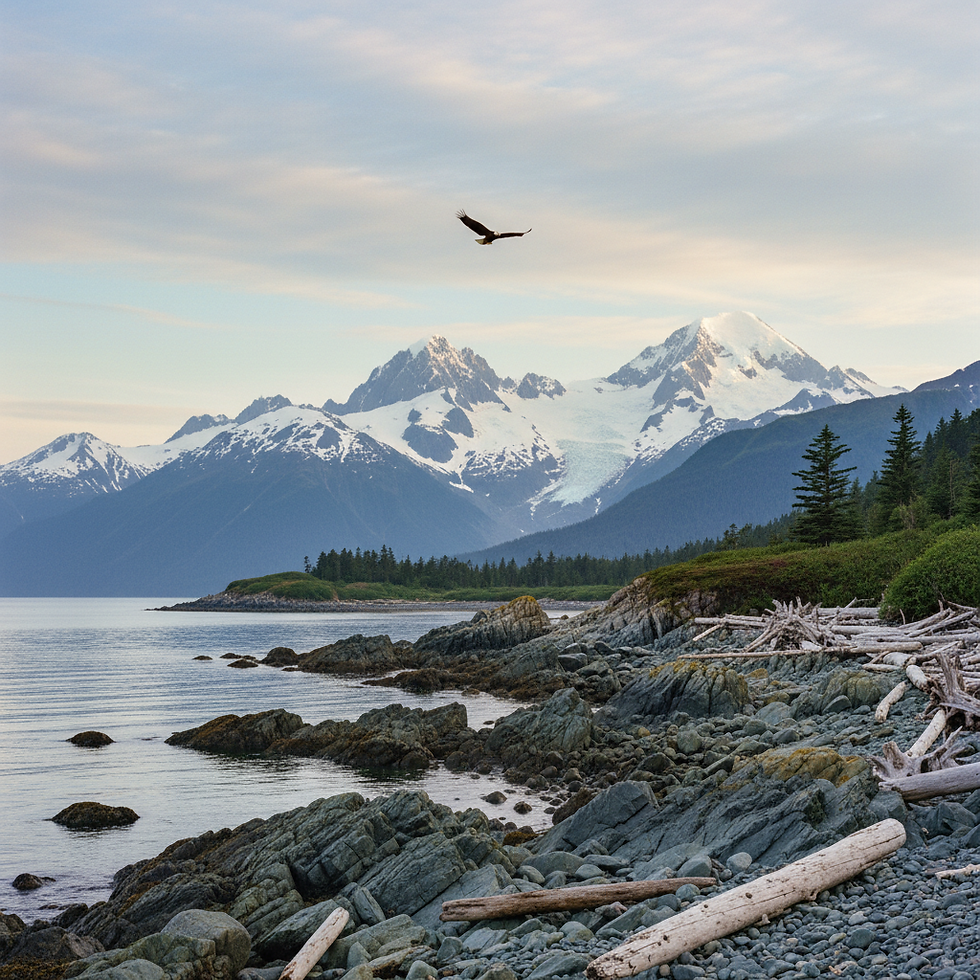

Seward Ocean Excursions
Seward, Alaska
Small-group boat wildlife & sightseeing excursions
Seward Ocean Excursions offers small-group boat excursions from Seward for exploring Resurrection Bay and the surrounding Kenai Fjords region, with opportunities for marine wildlife viewing and coastal sightseeing.
Alaska Trip Guide offers listings for Alaska tourism businesses. Send us your business name, location, website, a short description, and up to 5 photos for consideration. By submitting photos, you confirm you have permission to use them and allow Alaska Trip Guide to display them on the website.
There is currently no charge to be listed.